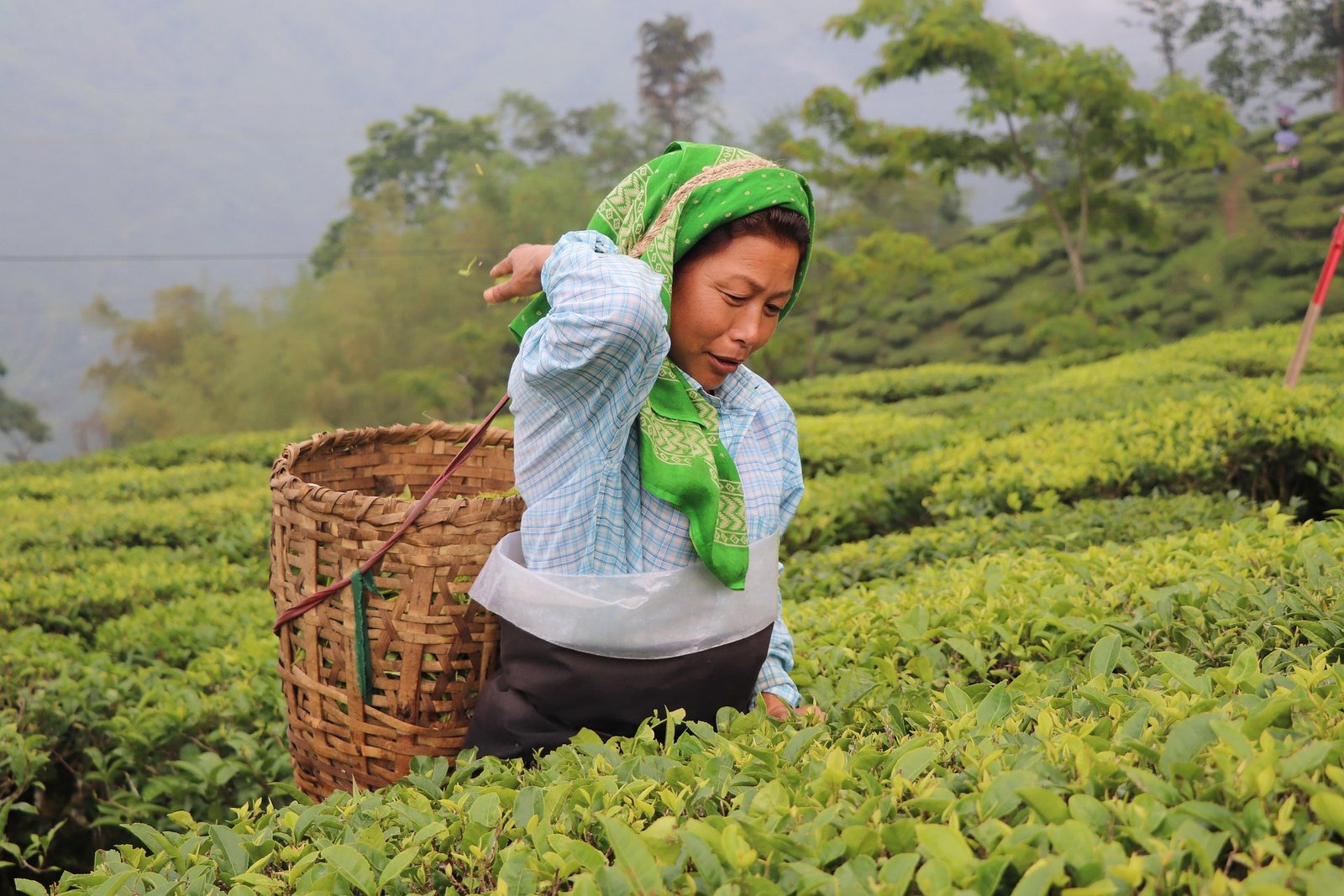
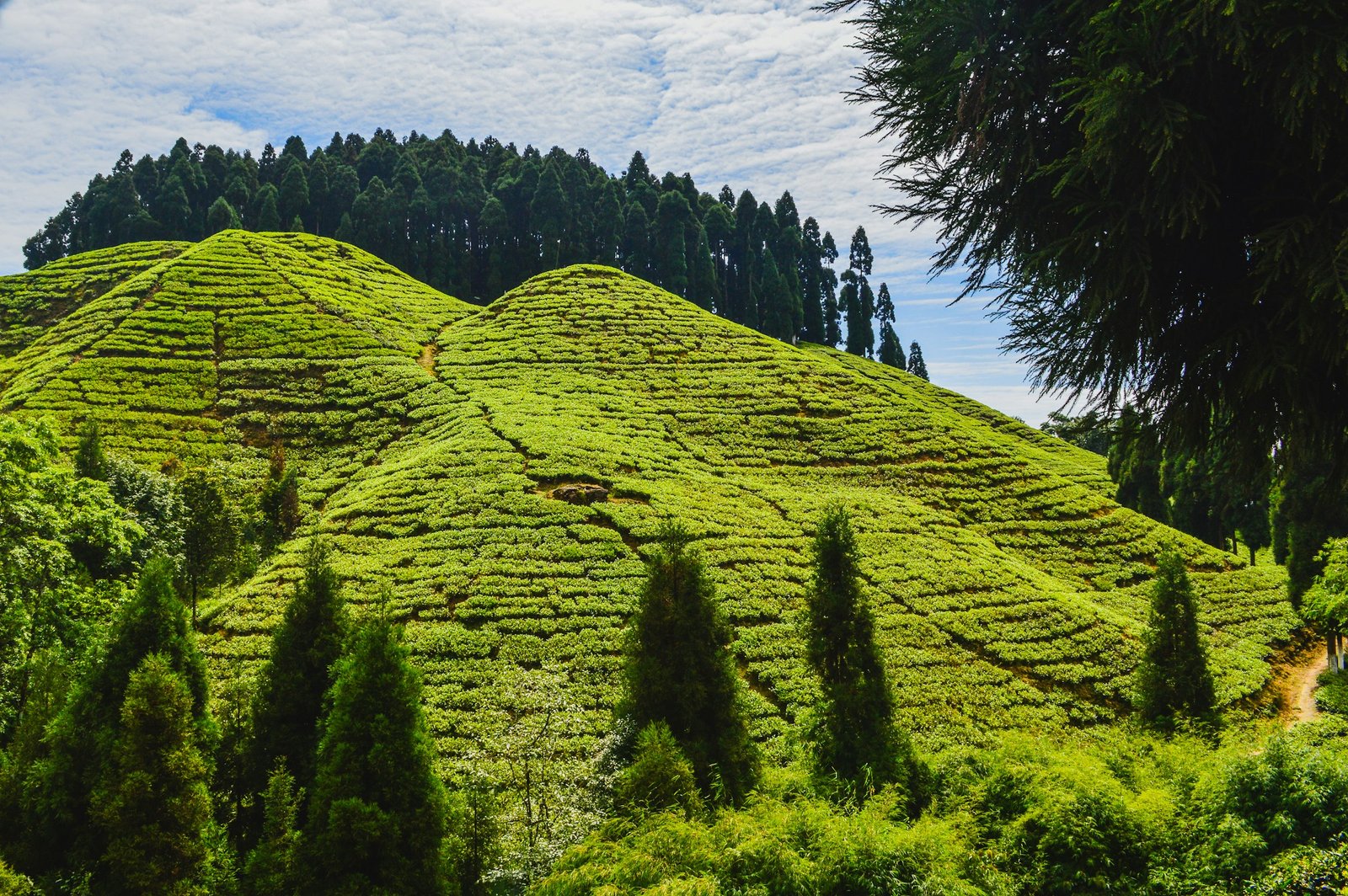
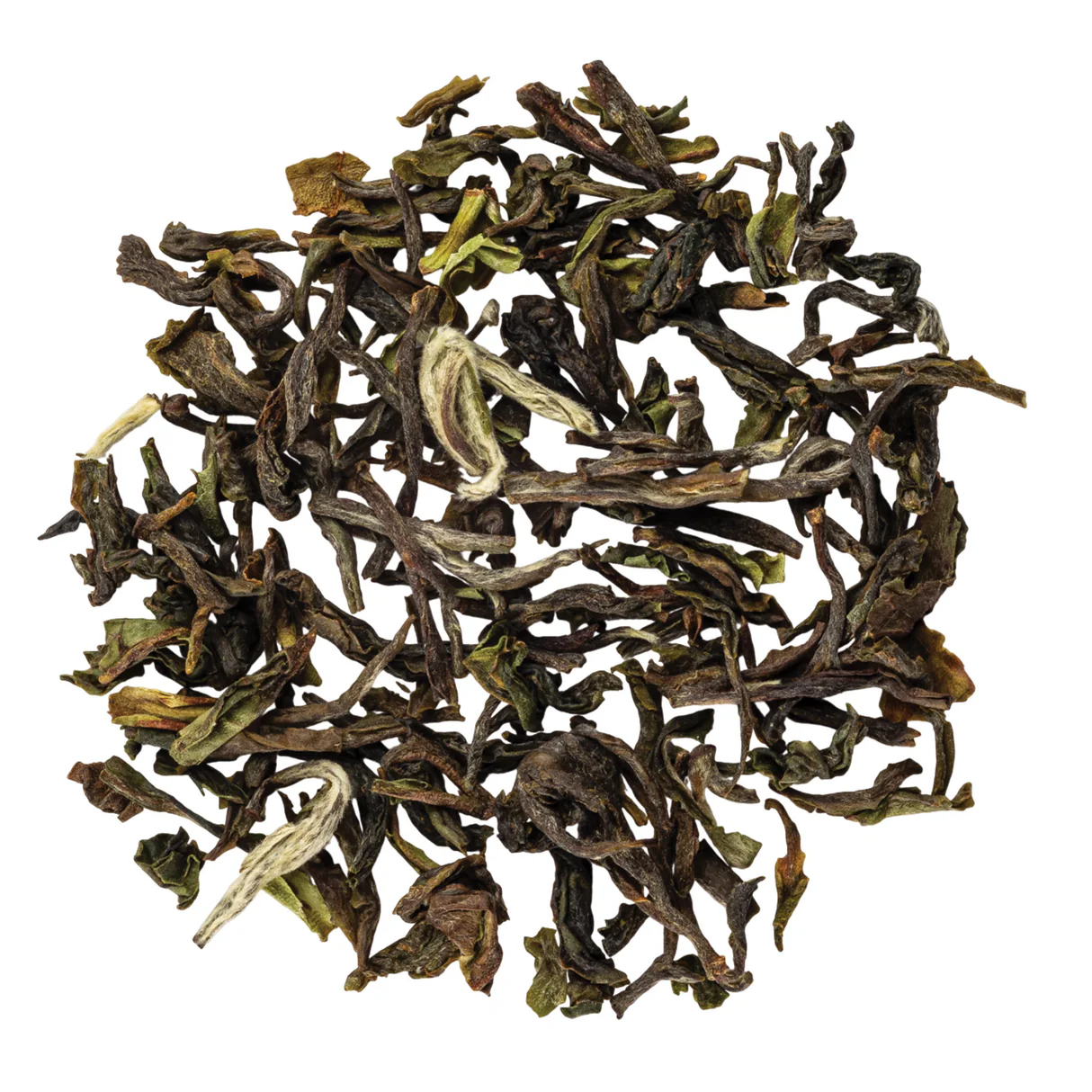
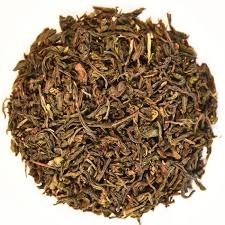
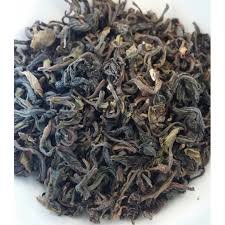
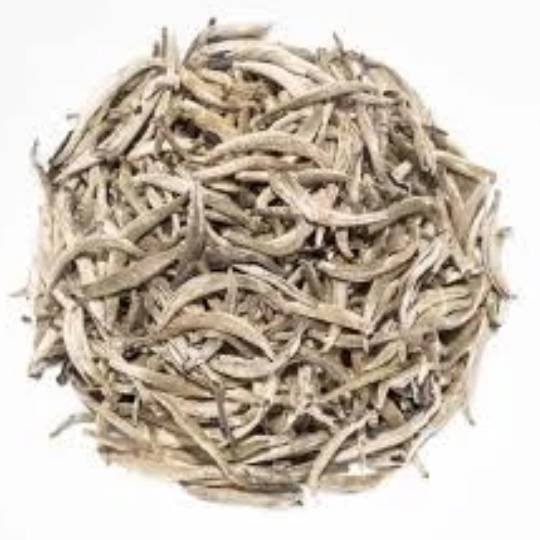
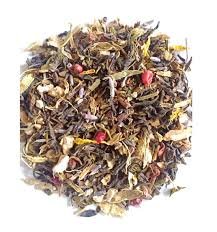
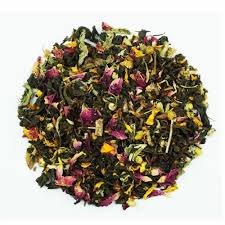
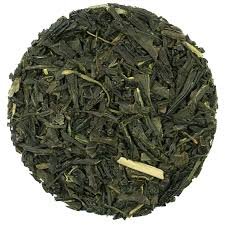
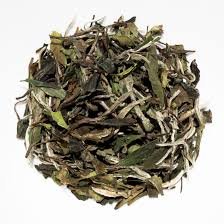
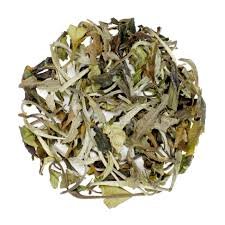
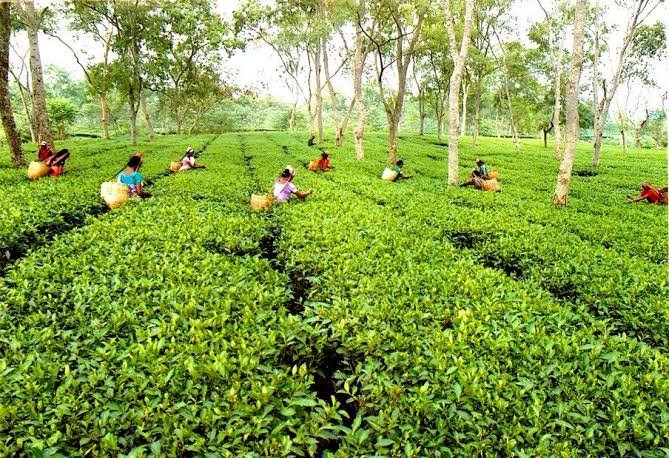
November and December, January are the pruning and resting months of the Tea plants, the dancing mist and the winter winds create a complex blend over the Tea gardens of Darjeeling, flush the tender leaves of Camellia Sinensis, called the First Flush. That indicates the start of Tea season of the year.
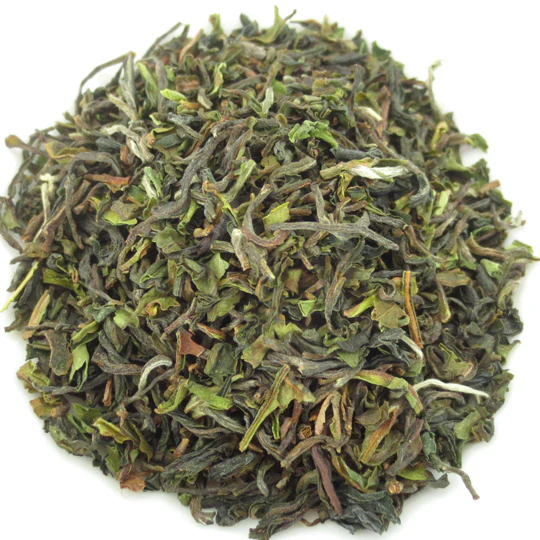
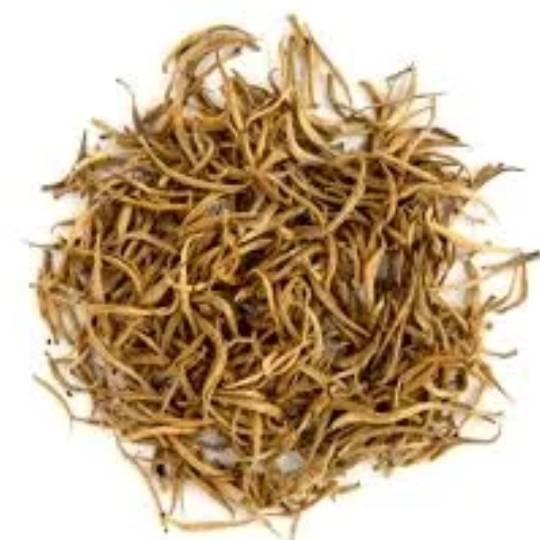
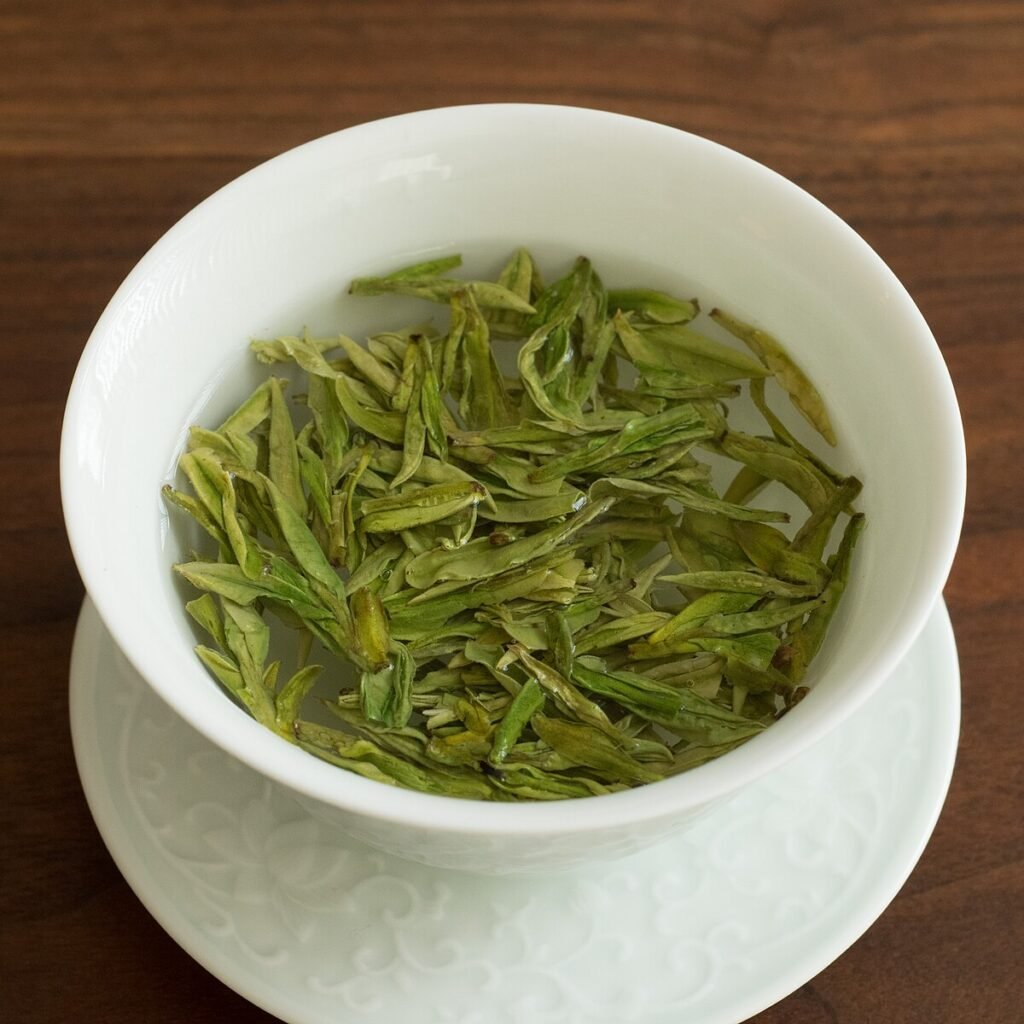
Darjeeling First Flush, also known as spring flush, is harvested from late February and March to early April. This first harvest of the season is known for its delicate, floral, and slightly astringent character, Light green and golden hue, making it a highly desired tea.
Harvest Period: The first flush typically spans from late February and March to early April.
Early Spring Leaves: The young leaves and buds are harvested during this period, marking the beginning of the tea season after the winter dormancy.
Less production and mostly exportable yield, SFTGFOP (Super Fine Tippy Golden Flowery Orange Pekoe) & FTGFOP1 (Finest Tippy Golden Flowery Orange Pekoe 1) grade Tea.
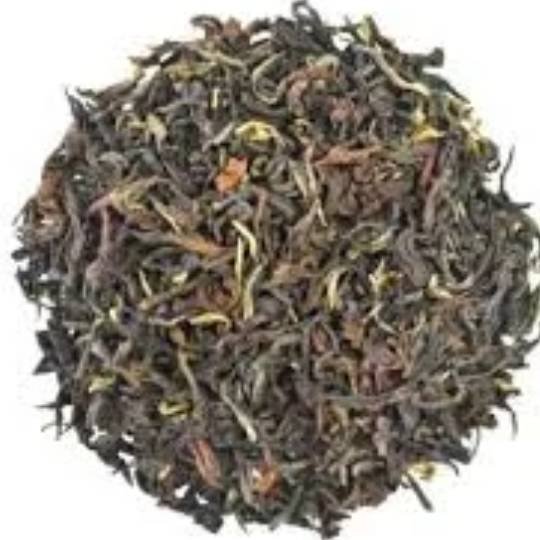
The second flush begins end of May and lasts until the Monsoon rains in June and early July. Second flush Darjeeling are the most common variety of Darjeeling, and are what most people are familiar with when they talk about Darjeeling tea. Second flush Darjeeling, like our Daily Darjeeling, typically has a more robust flavour. Second flush Darjeeling is darker and richer than first flush Darjeeling, and it has floral, nutty, and muscatel notes.

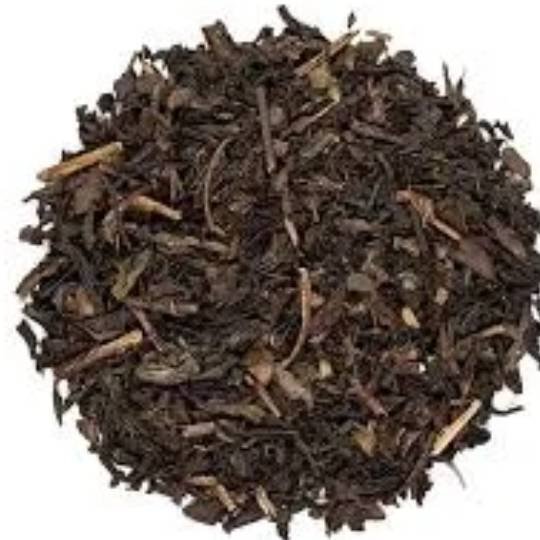
Autumn Flush Darjeeling Tea, harvested in late autumn, offers a rich, full-bodied flavor due to the cooler climate, each showcasing smooth, mellow flavors with subtle sweetness. These teas offer a sophisticated tasting experience, perfect for enthusiasts seeking balance and complexity. Autumn (Third Flush) is the shortest of the harvests that usually begins from October to early November.

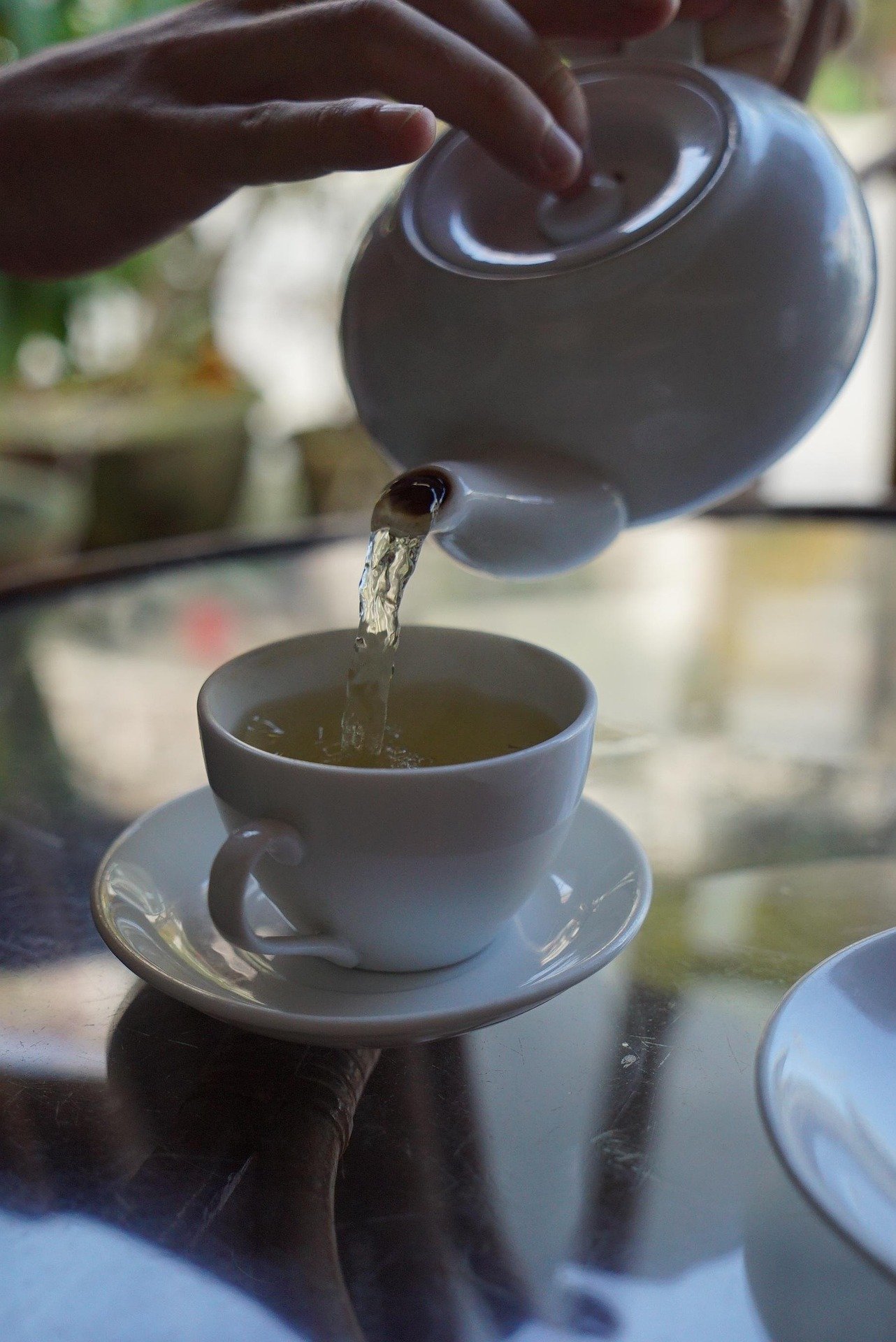
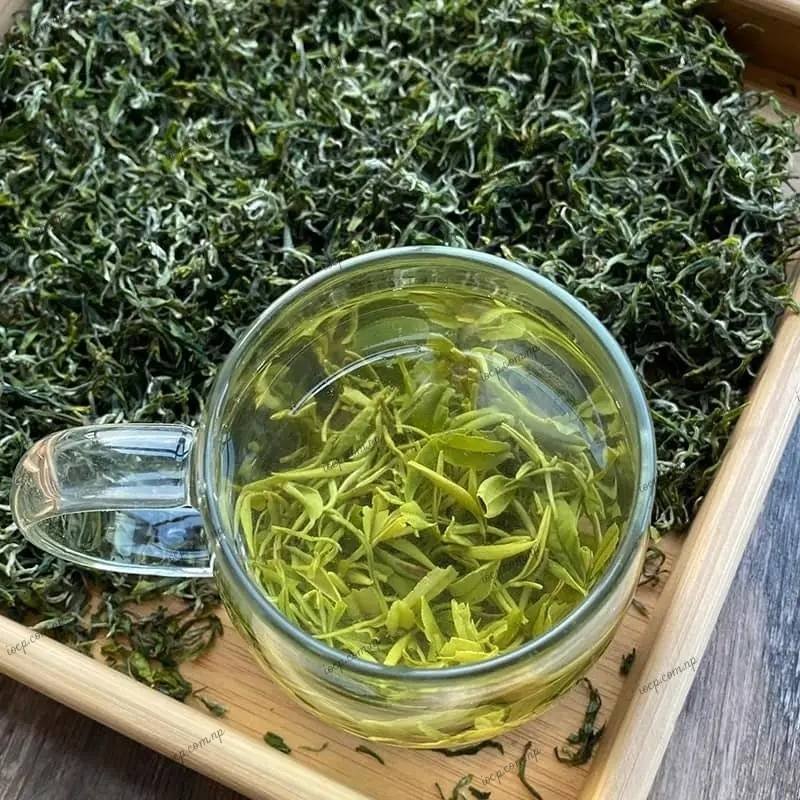
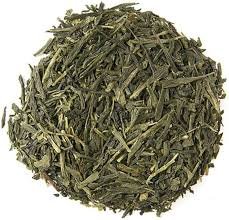
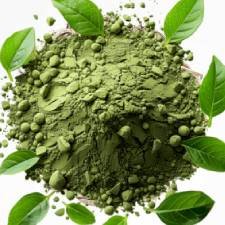
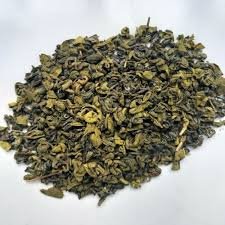
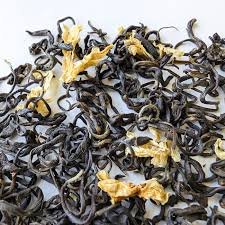
Green tea is a type of tea made from the leaves of the Camellia sinensis plant that are steamed or pan-fried to prevent oxidation, which gives it a distinct flavor and higher concentration of antioxidants than other teas. It is consumed worldwide as a beverage or supplement, often promoted for potential health benefits like improved heart health and reduced risk of certain chronic diseases, though scientific evidence for all claims is not conclusive.
Origin: Green tea comes from the same plant as black and oolong
teas, Camellia sinensis.
Processing: The key difference is that the leaves are processed to
prevent fermentation and oxidation.
Methods: This is typically done by steaming the leaves (common in
Japan) or pan-frying them (common in China) shortly after harvest.
Result: This process preserves the natural compounds in the leaves,
particularly polyphenols and catechins, which are thought to provide many of
its health benefits.
Polyphenols found in green tea include epigallocatechin gallate (EGCG), epicatechin gallate, epicatechins and flavanols, which are under laboratory research for their potential effects in vivo. Other components include three kinds of flavonoids, known as kaempferol, quercetin, and myricetin. Although the mean content of flavonoids and catechins in a cup of green tea is higher than that in the same volume of other food and drink items that are traditionally considered to promote health,[5] flavonoids and catechins have no proven biological effect in humans.
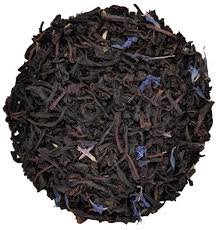
Assam tea is a famous, full-bodied black tea from India’s Assam region, known for its strong, malty flavor from the native Camellia sinensis var. assamica plant, often enjoyed plain or with milk and sugar, and popular in blends like English Breakfast due to its robust character and caffeine content. It offers health benefits like antioxidants and digestion aid, with CTC (Crush, Tear, Curl) processing making it even stronger and more intense.
Dooars tea comes from the Dooars-Terai region in West Bengal, India, at the foothills of the Himalayas, known for producing strong, full-bodied black CTC (Crush-Tear-Curl) teas, ideal for milk and sugar due to their bold, bright, and brisk flavor with malty notes, making it the backbone of Indian chai, though some estates are also producing complex orthodox teas.
Wellness & Health Benefit Tea
All Rights Reserved to Wellsotea | Developed by Go Digital Web
WELLNESSO AGRITECH,
Dr. B.R.Ambedkar Market Complex
1st Floor, Hill Cart Road,
Siliguri, District. DARJEELING,
Pin: 734003